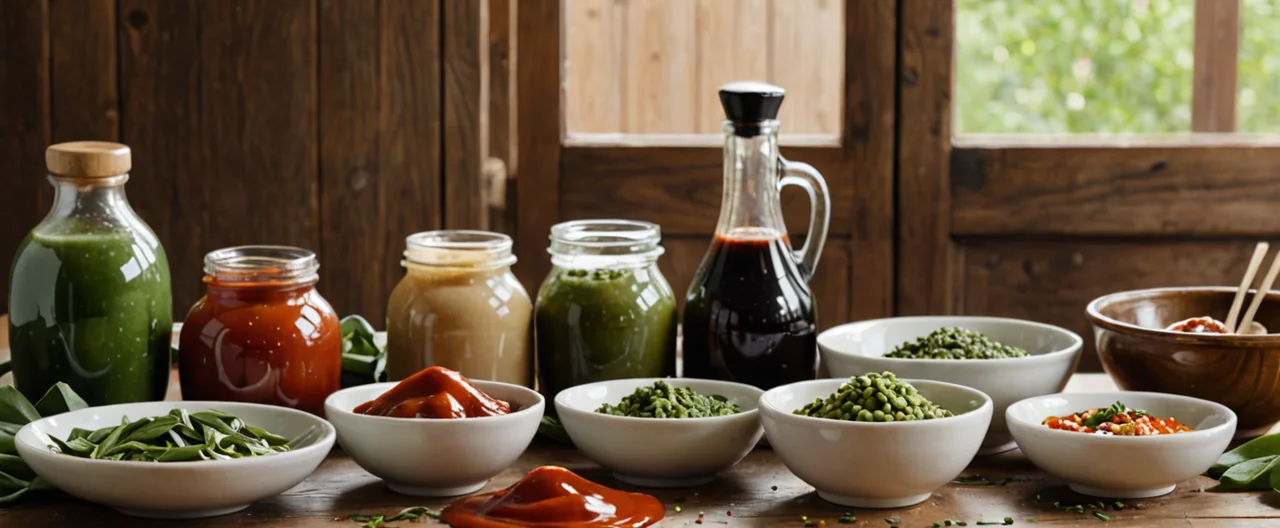
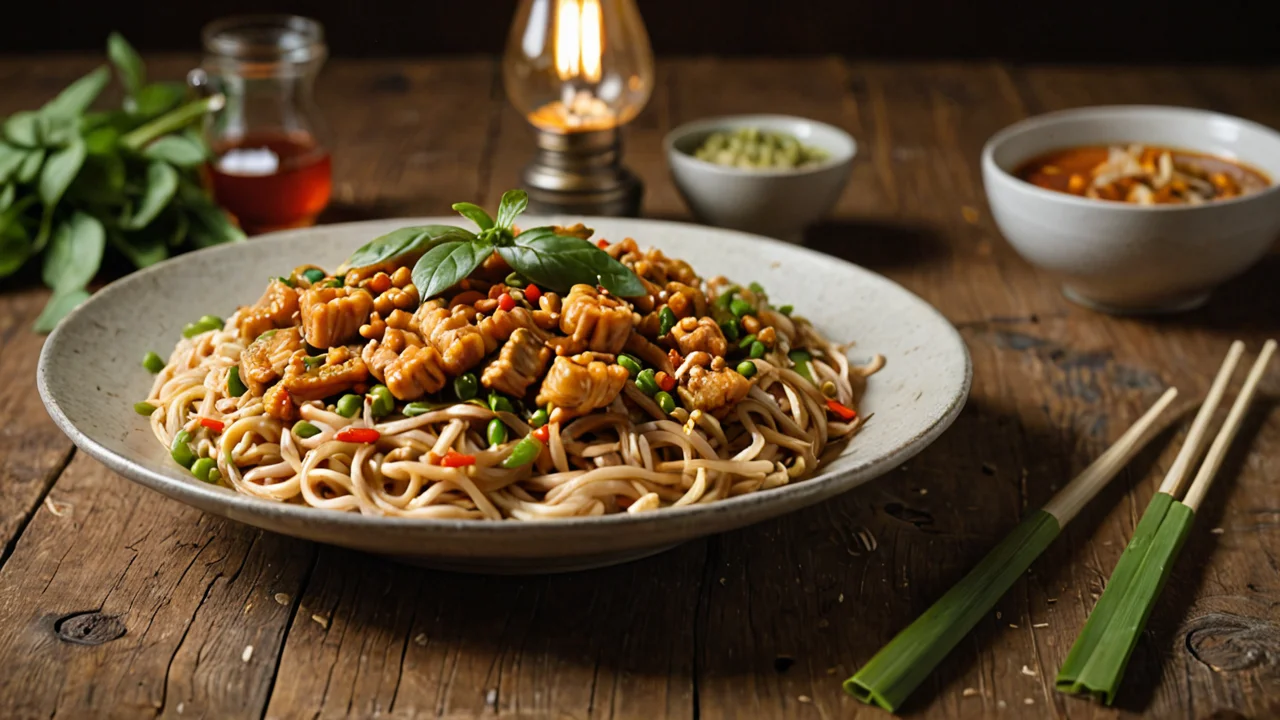
Salt, acid, fat, and glutamate are the four levers that make food taste like something, and almost every decision in a kitchen comes down to which one is missing and how fast you can add it. Soy sauce and fish sauce bring salt plus glutamate. Citrus, vinegar, and tamarind bring acid. Rendered fat, oil, and egg yolk bring richness and carry aroma. Miso, dried seaweed, mushrooms, and aged cheese bring glutamate directly. The practical skill is tasting in that order — salt first, then acid, then fat, then glutamate — because adding the wrong one first masks the problem and you end up oversalting a dish that only needed a squeeze of lime.
Salt is the first variable, and the one most often overshot
Season in stages rather than at the end, because salt added early penetrates protein and vegetables while salt added late sits on the surface and reads much sharper on the tongue. If you salt a pot of broth only at the end, you will use more salt to reach the same perceived seasoning, and the last few bites will taste saltier than the first. Salt the water for noodles and blanching vegetables, salt raw meat before it hits the pan, and hold back a portion of your total seasoning to adjust at the finish.
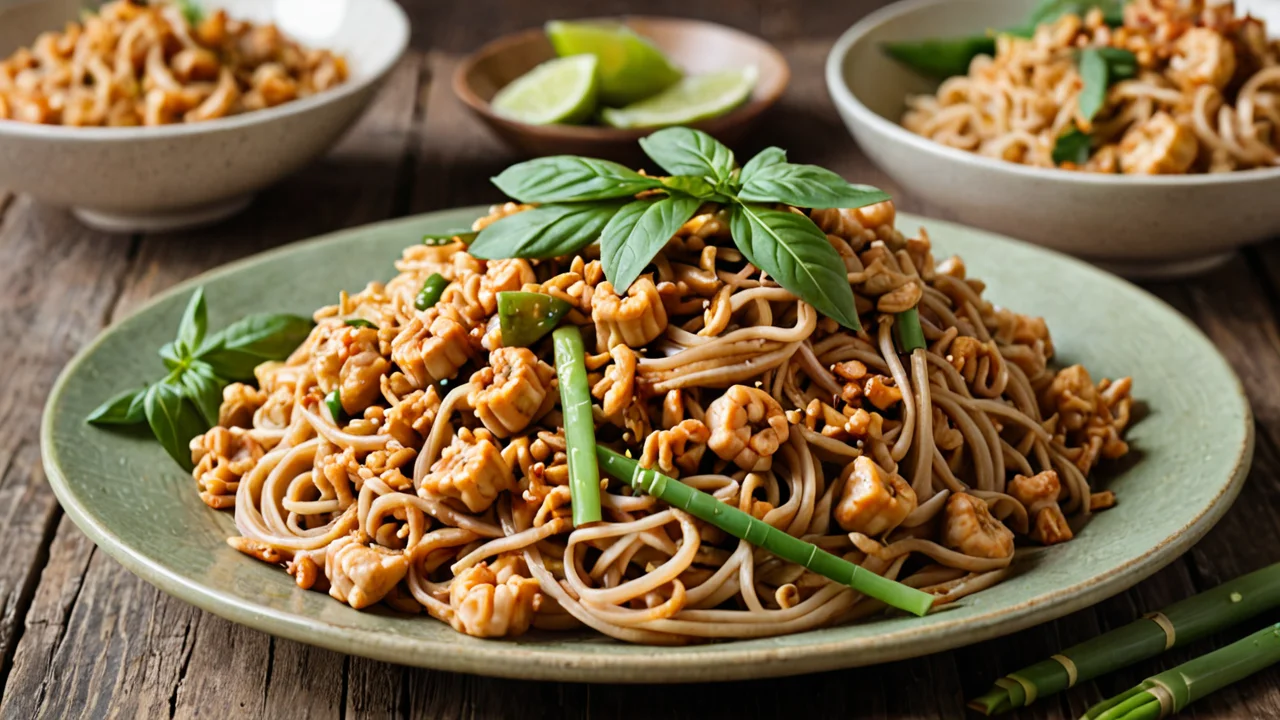
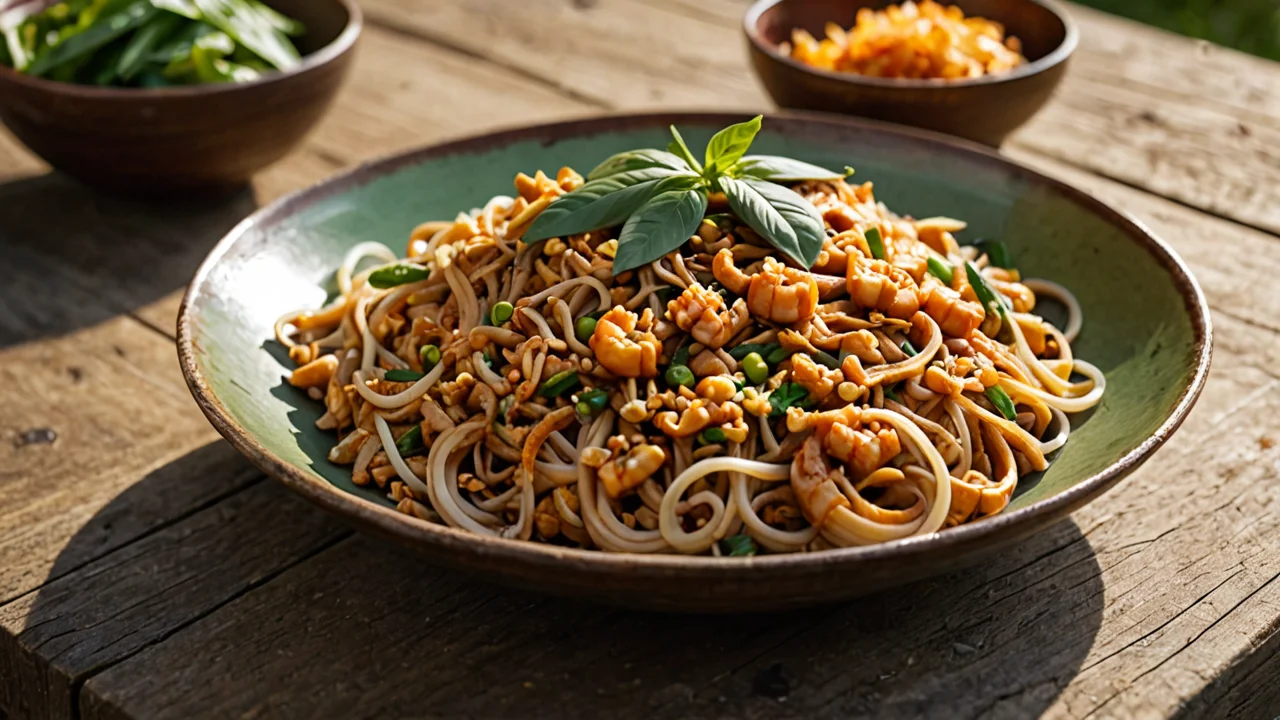
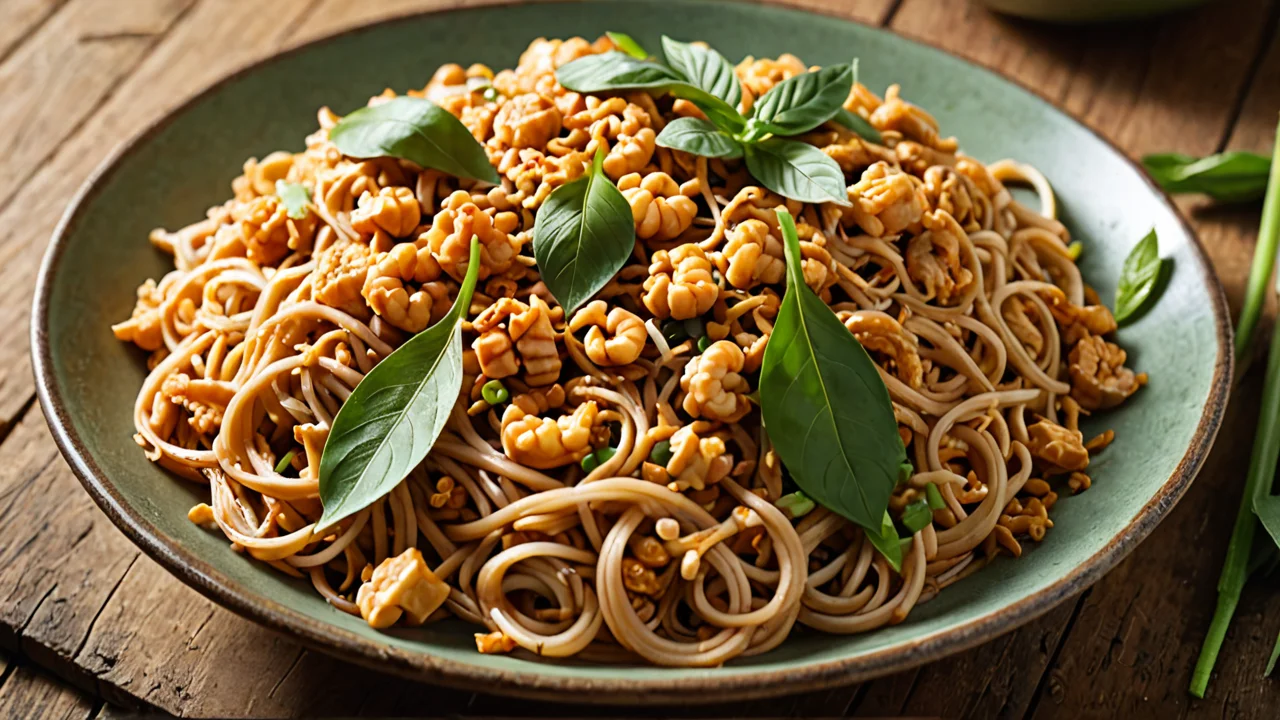
Fermented seasonings are the place where home cooks lose control of sodium, because they are salty and umami-dense at the same time, so you keep adding them for flavor and cross the salt threshold without noticing. Miso soup is the clearest case. A single cup (245 g) carries 1,144 mg sodium, which is roughly half of the 2,300 mg Daily Value the FDA uses on U.S. labels. That is one cup, before you consider the rest of the meal. The same arithmetic applies to Pad Thai: 1 cup (200 g) of shrimp Pad Thai runs 698 mg sodium, or 30% of the 2,300 mg Daily Value. Neither dish is a sodium disaster on its own; the problem is that people treat soup and noodles as light courses and stack them next to other salty things.
The fix is not to stop using miso or fish sauce — you would lose the flavor that makes the dish worth eating. It is to dilute the carrier. Use less miso paste per cup of dashi and lean on kombu and dried shiitake for glutamate so the broth still tastes deep. Add tofu, seaweed, and green onion in volume so each spoonful carries less concentrated seasoning. With stir-fries, cook the noodles and sauce separately and combine at the end so you can taste the sauce before it commits you. What this costs you is convenience: two vessels instead of one, and a slightly less integrated flavor because the noodles absorb less sauce. That is a fair trade on a weeknight when the alternative is a dish nobody wants to finish.
The limit of this approach is that it does nothing for people who genuinely need to restrict sodium for medical reasons. If a doctor has told you to cut back, portion control and lower-sodium formulations of soy sauce and miso matter more than technique. Cooking method shifts the number at the margins; it does not rewrite it.
Acid is what makes a heavy dish taste finished
When a dish tastes flat, muddy, or "like it's missing something" and salt has not fixed it, the missing thing is almost always acid. Fat coats the tongue and dulls perception; a small amount of acid cuts through that coating and resets your palate so the next bite tastes as bright as the first. This is why Thai cooking finishes with lime, why Vietnamese tables carry lime and vinegar, why Chinese dumpling dips are black vinegar and chili oil, and why a squeeze of lemon rescues a cream sauce that has gone too rich.
Choose the acid by cuisine, because they are not interchangeable. Rice vinegar is mild and slightly sweet, good for sushi rice seasoning, dipping sauces, and cold noodle dishes where you do not want the acid to dominate. Black vinegar is malty and deep, and it belongs with dumplings and braised pork. Lime is sharp and aromatic and works on anything Southeast Asian. Tamarind is sour but also fruity and slightly sweet, which is why it forms the backbone of Pad Thai sauce rather than lime alone. Fish sauce plus lime plus sugar plus chili is the same balance in a different ratio, and once you have made it a few times you stop measuring.
Add acid late and in small amounts. Acid changes color in green vegetables and dulls them if cooked long, and it slows the breakdown of vegetables in a braise, so a splash at the start and a splash at the end do different jobs. Taste, add a teaspoon, taste again. The cost is that acid is easy to overshoot and hard to walk back — a dish that is too sour needs fat or sugar to rebalance, and you can end up chasing it. The limit is dairy: acid will curdle milk and cream if added to a hot pan without tempering, so finish those dishes off heat or use a acid that is less aggressive, like a small amount of rice vinegar stirred in at the end.
Glutamate does the work people attribute to "cooking skill"
Savory depth comes from glutamate and nucleotides, and the ingredients that carry them are the reason restaurant food tastes rounder than home cooking even when the recipe is identical. Dashi is the purest example — kombu and dried bonito flakes steeped briefly in water below a simmer produce a broth with enormous glutamate content and almost no fat. Miso paste adds fermented depth on top of that. Soy sauce, fish sauce, oyster sauce, dried shiitake, tomato paste, aged parmesan, and anchovy all do the same job in different registers.
The technique that matters is extraction temperature. Glutamate and inosinate come out of kombu and bonito readily in water that never boils; a hard boil pulls out bitterness and cloudiness instead. Steep kombu in water that is hot but not simmering, remove it before the water reaches a boil, then add bonito flakes, turn off the heat, and strain after a few minutes. The result is clean and pale, and it makes miso soup taste like miso soup rather than salty water. What this costs is time and attention — you cannot walk away from a pot you are trying not to boil — and kombu and bonito are more expensive per batch than a stock cube. The limit is that dashi is not a substitute for long-cooked meat stock; it has no body or gelatin, so it will not give a ramen broth the mouthfeel that comes from pork bones and time.
Layering glutamate sources is where the flavor compounds multiply rather than add. Miso plus dashi is the standard combination for a reason, and a spoonful of soy sauce in a mushroom braise does more than either alone. If a dish tastes thin despite adequate salt, the missing piece is usually glutamate, not more salt — and reaching for the salt shaker at that moment is how dishes end up both salty and flat.
Rice is a flavor delivery system, and the ratio is not negotiable
Sushi rice is short-grain Japonica cooked at a ratio of 1:1.1 rice to water, then 18 minutes on the stovetop followed by 10 minutes of rest off the heat. Those numbers are not suggestions. Short-grain rice absorbs less water than long-grain, and the tight ratio is what produces grains that hold together when you press them into nigiri or roll them into maki without turning to paste. Too much water gives you rice that is sticky in the wrong way — mushy at the center, no distinct grain — and no amount of vinegar fixes texture that has already gone.
Calrose, the medium-grain Japonica developed in California, cooks at the same 1 part rice to 1.1 parts water ratio and is the practical substitute most U.S. kitchens reach for when Japanese short-grain is not on the shelf. It comes out slightly sticky and works for sushi-style preparations, though it is a touch less cohesive than true short-grain and the grains read a little larger. That is the trade-off: availability and price against a marginally different texture. For maki and scattered sushi bowls, most people will not notice. For nigiri, where the rice is half the bite, the difference is more apparent.
The rest matters as much as the cook time. Ten minutes off the heat with the lid on lets the moisture redistribute from the surface of the grain to the center, so the rice is evenly hydrated when you fold in the seasoned vinegar. Skip it and the outside of the grain is wet while the inside is firm, and the vinegar sits on the surface rather than seasoning the rice through. Season the vinegar mixture with sugar and salt while the rice is still hot so it absorbs, then fan the rice to cool it to body temperature — cooling too fast in a refrigerator makes it hard and squeaky. The limit here is equipment: a rice cooker with a calibrated sushi setting will hold the ratio and the rest for you, and if you have one, use it. The stovetop method is for people who do not, and it demands you actually set a timer.
Balance is a ratio, not a recipe, and it changes with the dish
Every cuisine has a working ratio of salt to acid to sweet to fat, and the ratios differ enough that a sauce balanced for one dish will taste wrong in another. Pad Thai sauce balances tamarind sour, palm sugar sweet, fish sauce salty, and chili heat, and the tamarind is doing the acid job that lime does in a Vietnamese dipping sauce — which is why a squeeze of lime over Pad Thai is a garnish, not the structural acid. Miso soup balances fermented salt and glutamate against the clean, faintly sweet dashi, with no acid at all. Sushi rice balances vinegar sour against sugar sweet and salt, and the fish on top supplies the glutamate.
The practical method is to build the sauce separately, taste it at room temperature, and adjust before it touches heat or noodles. A sauce that tastes balanced cold will taste slightly less salty and less sour once it is hot and mixed with starch, because the noodles absorb seasoning and the heat volatilizes some of the acid. So build it a touch sharper and saltier than the finished dish should be, then combine and taste again. This is the same logic as salting pasta water: you are seasoning the thing that will be diluted.
What this costs is dishes. You will make a sauce, taste it, and realize the tamarind is too dominant or the sugar is too forward, and you will start over or add more of everything else to compensate. That is normal and it is how the ratios get into your hands. The limit is that balance is a moving target across a meal — a salty soup followed by a sour salad followed by a sweet dessert each reset the palate, and a dish that tastes perfect alone can taste aggressive in sequence. Taste the whole menu, not just the pan.
When the sauce is the dish, and when it is a shortcut
Some preparations are sauce-forward and some are ingredient-forward, and knowing which you are cooking tells you where to spend your effort. Pad Thai is sauce-forward: the tamarind-based sauce is the identity of the dish, and the noodles, egg, tofu or meat, and peanuts are carriers. If the sauce is flat, no amount of good noodles saves it. Miso soup is broth-forward: the dashi is the identity, and the miso is a finishing seasoning added off the heat so its aroma and enzymes survive. Boil miso and you lose the top notes and keep only the salt.
This distinction also tells you where store-bought shortcuts are acceptable. A good-quality fish sauce or soy sauce is a fermented product that takes months to make and costs little per use; buy it rather than making it. Dashi from a good instant powder is genuinely close to the real thing for everyday miso soup, and the time it saves is worth more than the marginal flavor difference. Tamarind concentrate from a jar is fine for Pad Thai. What is not worth shortcutting is rice — the ratio and rest are free, and getting them wrong is the most common reason home sushi disappoints.
The honest trade-off of sauce-forward cooking is sodium, because the sauces that carry flavor are the salty fermented ones. A cup of miso soup at 1,144 mg sodium and a cup of shrimp Pad Thai at 698 mg (30% of the 2,300 mg Daily Value) are both substantial contributions to a day, and eating both in one day leaves little room. The way to keep the flavor without stacking the number is to make the sauce do more work with less volume: sharpen it with acid and chili, deepen it with glutamate from kombu or dried mushroom, and let the noodles and vegetables carry bulk. That is not a compromise so much as the way these dishes were built to be eaten — sauce as seasoning, not sauce as soup.
The wrong choice is to treat a low-sodium version of a sauce as a free pass and use twice as much. Low-sodium soy sauce is lower in sodium per volume, not per dish, and the flavor is flatter, so you pour more. Measure once, taste, and stop. The point of all of this is a dish that tastes like the thing it is supposed to be, and the four levers — salt, acid, fat, glutamate — are how you get there without a recipe in front of you.