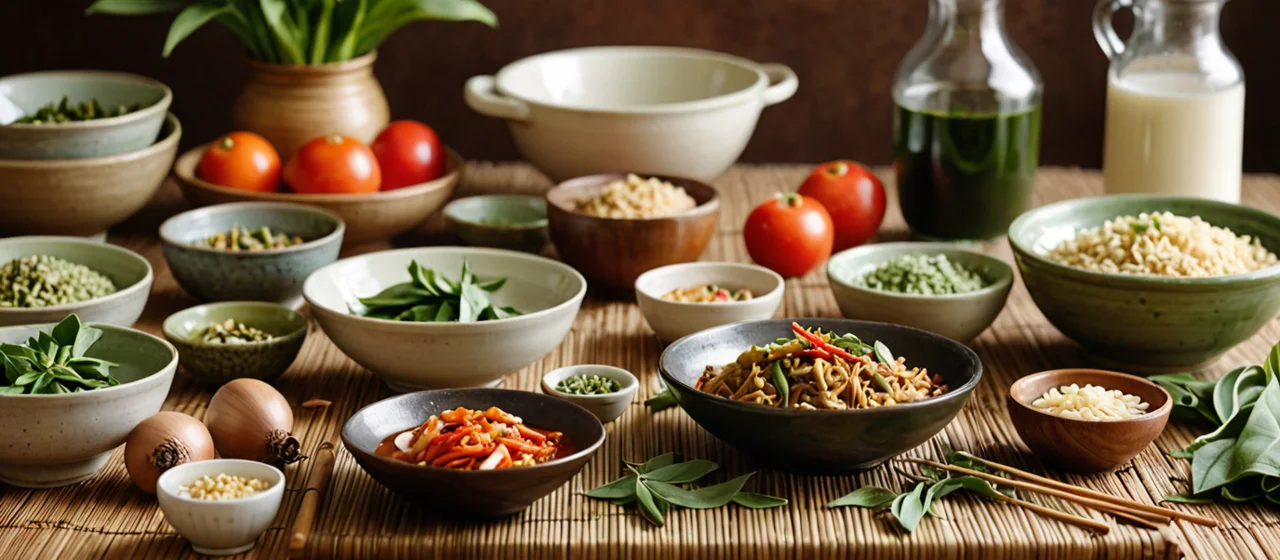
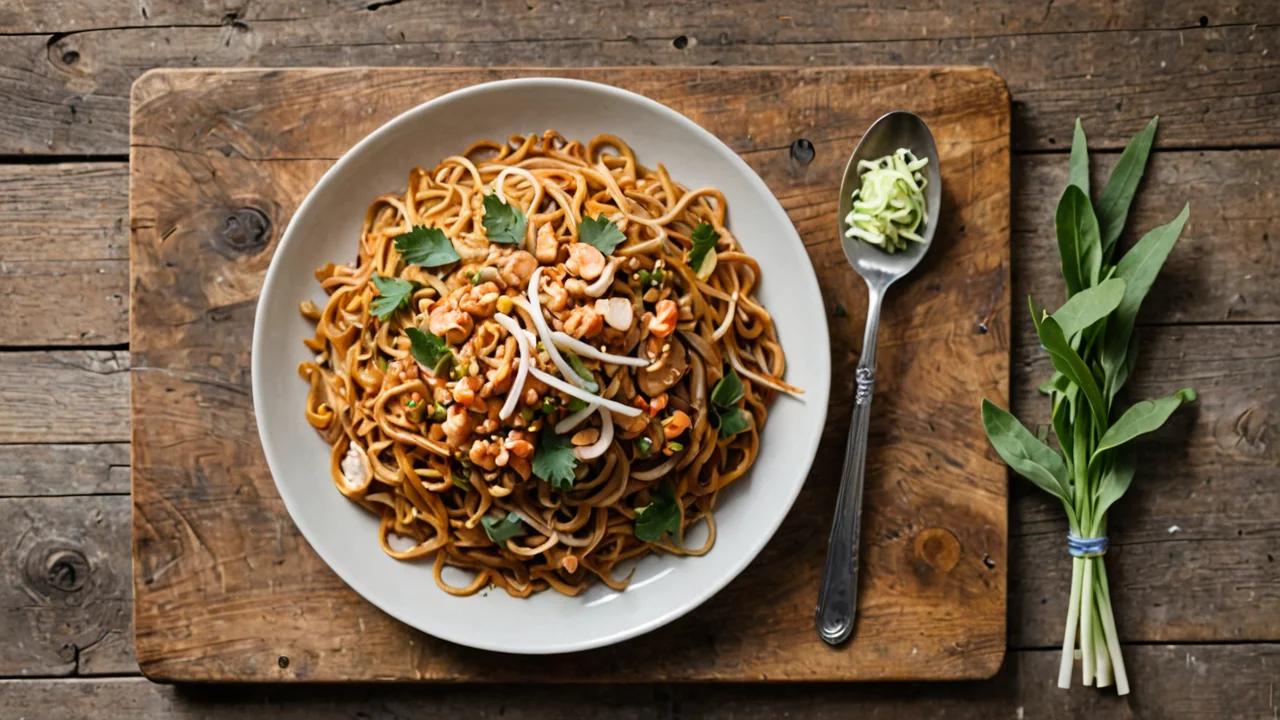
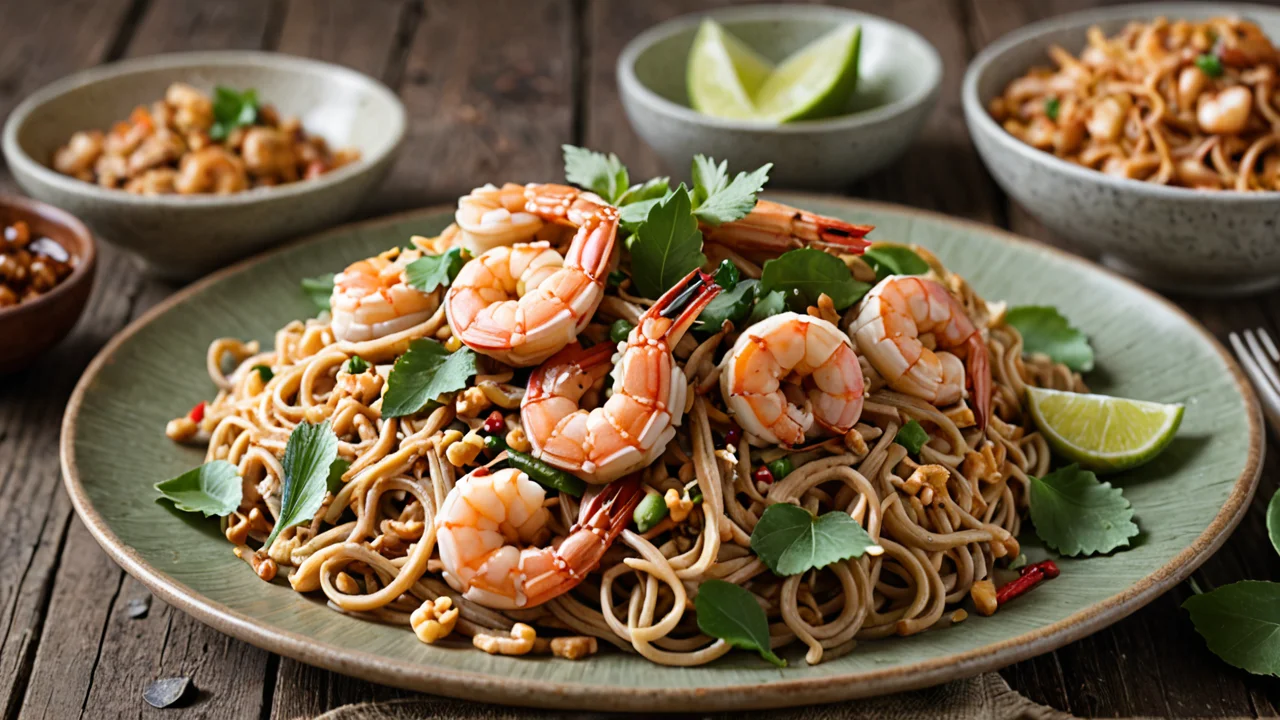
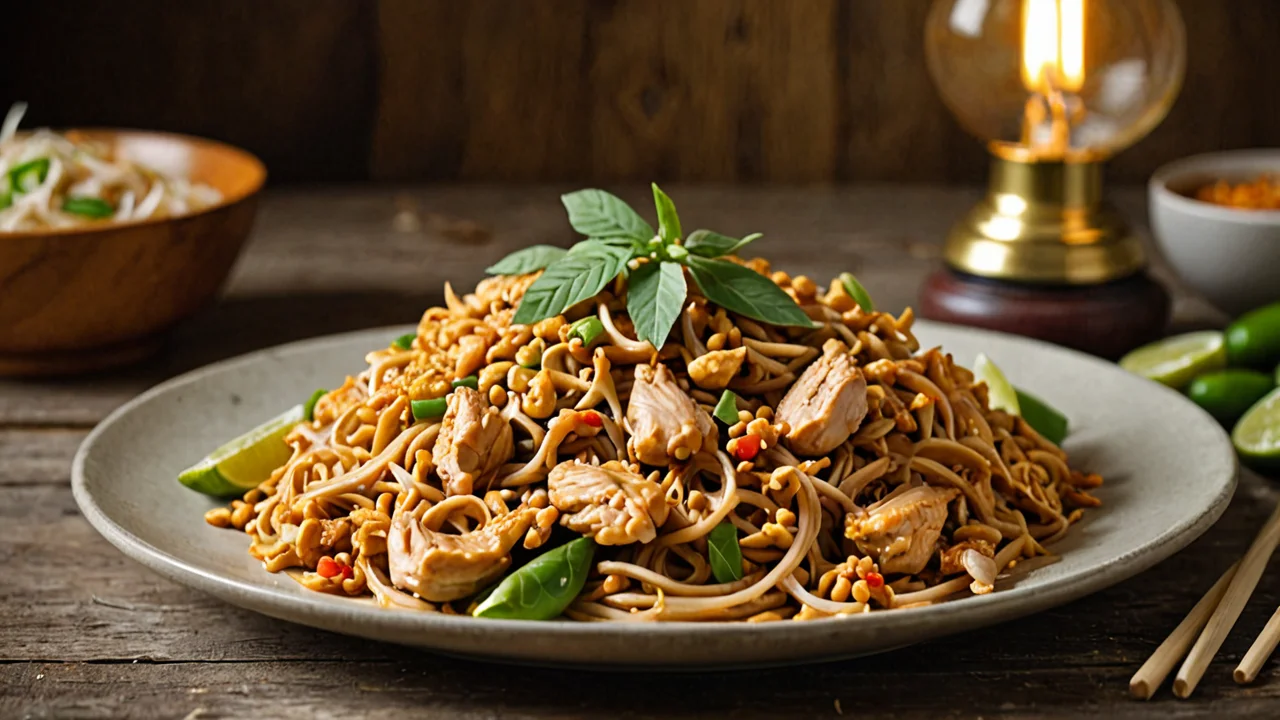
Salt, water, heat, and time decide almost everything in Asian cooking, and the four levers are easier to control than most home cooks think. Get the rice-to-water ratio right, salt deliberately rather than by habit, and taste at the end of cooking instead of the beginning, and the rest of the cuisine opens up from there. The specific numbers matter more than the technique names: sushi rice wants a 1:1.1 rice-to-water ratio, 18 minutes of cooking, and 10 minutes of rest;
Rice is the foundation, and the ratio is not negotiable
Sushi rice is short-grain Japonica rice cooked at 1 part rice to 1.1 parts water, for 18 minutes, then rested off the heat for 10 minutes before you touch it. That is the whole method, and the rest is the step people skip. During those 10 minutes the grains finish absorbing and the starch sets so the rice holds a shape instead of smearing.
The rest matters because Japonica short-grain rice is bred to be sticky. Cook it with too much water and you get porridge; too little and the center stays chalky while the outside turns gluey. The 1.1 ratio is deliberately tight, well under the 1:2 that long-grain rice wants, because short grains release more surface starch and need less liquid to swell. Season it after cooking, not during: vinegar, sugar, and salt folded through warm rice, then cooled to room temperature before it goes near a rolling mat.
If you cannot find Japanese short-grain rice, Calrose works and takes the same 1:1.1 ratio. Calrose is a medium-grain Japonica developed in California that turns slightly sticky when cooked, which makes it the practical substitute in most U.S. supermarkets. The trade-off is texture: Calrose grains are a little broader and less glossy than proper sushi rice, so nigiri will look slightly rougher and maki will hold together with a bit more pressure. It is a real compromise, not an invisible one.
Wash the rice until the water runs nearly clear before you cook it. Skipping the rinse leaves excess surface starch, and the rice comes out gummy even at the correct ratio. If you own a rice cooker with a sushi setting, use it; if you are on a stovetop, bring the rice and water to a boil, drop to the lowest heat, cover, and do not lift the lid for the full 18 minutes.
Salt is a decision you make on purpose, not a habit
Miso soup carries 1,144 mg of sodium in a 1-cup (245 g) serving, which is just under half of the 2,300 mg Daily Value the FDA uses on U.S. labels. Shrimp Pad Thai runs 698 mg of sodium per 1 cup (200 g) serving, about 30% of that same Daily Value. Those two numbers are the useful frame for the whole cuisine: some dishes are inherently salt-heavy and some are not, and the difference is almost entirely in the sauce and the fermented seasonings.
Miso paste is the source of the sodium in miso soup, and the amount you use is a choice. A lighter hand with the paste, a broth built on kombu and bonito rather than a powder, and a smaller bowl all pull the number down without changing the dish. The trade-off is flavor: less miso means less of the savory depth that makes the soup worth eating, so the practical move is to keep the paste but treat the soup as a small course rather than a large one.
Pad Thai's sodium comes from fish sauce, tamarind, and the soy or oyster sauce that often sneaks into the wok. The noodle itself is not the problem. If you are cooking for someone watching sodium, Pad Thai is the more forgiving of the two dishes because you can build the sauce to taste at the end, tasting after each addition of fish sauce rather than dumping in a measured pour. Miso soup gives you less room, because the paste is the broth.
What goes wrong: cooks salt at the start and then adjust at the end, so the dish ends up over-seasoned because the reduction concentrated everything. Salt late, and in a dish with a salty fermented base, salt barely at all until the final taste.
The wok, the pan, and the heat you actually have
Stir-frying works on the principle of high heat and constant motion, and most home stoves cannot deliver restaurant-level heat. That is not a reason to skip it, but it does change your approach. Cook in smaller batches than you think you need, preheat the pan until a drop of water skitters across the surface, and keep the ingredients moving so nothing sits long enough to steam.
The failure mode of home stir-frying is crowding. A wok full of vegetables drops the pan temperature, the vegetables release water, and instead of browning they boil. You end up with soggy, pale vegetables and a pool of liquid at the bottom. The fix is to cook in two or three batches and combine at the end, which costs time but is the only reliable way to get char without a commercial burner.
Carbon steel is the right pan for this if you are willing to season it and keep it dry. Cast iron works but responds more slowly, which matters when you need to pull the pan off the heat fast. Nonstick is the wrong choice for high-heat stir-frying, because the coating degrades and you never get the fond that gives a stir-fry its depth. The trade-off with carbon steel is maintenance: it rusts if you leave it wet, and it needs a re-season if you scrub it too hard.
Sequence matters more than equipment. Aromatics like garlic, ginger, and scallion go in first, briefly, until fragrant. Hard vegetables next. Protein, if you are using it, is usually cooked separately and added back at the end so it does not overcook while the vegetables catch up. Sauce goes in last, off or near the edge of the heat, so it coats rather than boils down.
Noodles are a timing problem, not a flavor problem
Rice noodles for Pad Thai need soaking, not boiling, in most cases. Soak them in warm water until they are pliable but still firm in the center, then finish them in the wok with the sauce. If you boil them to tenderness first, they turn to mush the moment they hit the pan. The window between pliable and mushy is narrow, and the way to notice you have passed it is that the noodles snap instead of bending.
Drained noodles should go into the wok still slightly wet, because the sauce needs a little moisture to distribute. If they are bone dry, the sauce clumps. If they are dripping, the dish steams. The middle state, damp but not wet, is what you are aiming for.
Pad Thai's structure is sauce, noodle, protein, egg, and garnish, and the order of assembly is where home cooks lose the dish. Sauce first, tossed through the noodles until absorbed. Protein and egg next, folded in. Peanuts, lime, and bean sprouts at the very end, off the heat, so they stay crunchy. Peanuts added early go soft and the dish loses its texture contrast.
The trade-off with rice noodles is that they do not reheat well. A Pad Thai made in advance and microwaved the next day will be gummy and clumped. Cook it to eat it, and scale the batch to the number of people at the table.
Sauces are built, not bought, and the order of addition matters
A stir-fry sauce is a balance of salt, sweet, acid, and umami, and the four are added in that order of difficulty. Salt comes from soy, fish sauce, or salt itself and is the easiest to overdo. Sweet comes from sugar, honey, or mirin and rounds the salt. Acid comes from rice vinegar, lime, or tamarind and lifts the whole thing. Umami comes from mushroom soy, oyster sauce, or a little miso and gives the sauce depth that salt alone cannot.
Mix the sauce in a bowl before the pan gets hot. Once you are stir-frying, you do not have time to measure, and a sauce built in the pan tends to be uneven. A slurry of cornstarch and cold water goes in at the end to thicken, and it needs to come to a simmer to activate; if you add it and pull the pan off the heat immediately, the sauce stays thin.
The most common mistake is doubling the soy because the sauce tastes flat. Flat usually means it needs acid or umami, not more salt. Taste, add a squeeze of lime or a splash of vinegar, taste again, and only then reach for the soy. The cost of getting this wrong is a dish that tastes salty and one-note with no way to walk it back, because you cannot remove salt once it is in.
Fish sauce is worth the smell. It is pungent straight from the bottle and turns into something rounded and savory in the pan. If you are cooking for someone who objects to the aroma, add it early so it has time to cook off, rather than at the end where it stays sharp.
What to cook first, and what each choice costs you
Start with rice, then a stir-fry, then a noodle dish, then a soup. That order builds skill in the sequence the techniques demand. Rice teaches you ratio and rest, which are the foundation of every bowl. A stir-fry teaches heat control and sequencing. A noodle dish teaches timing under pressure. A soup teaches you to build flavor from a base, which is the last skill because it depends on the others.
Rice first because it is the cheapest to fail at. A batch of rice that comes out wrong costs a cup of grain. A Pad Thai that comes out wrong costs noodles, tamarind, fish sauce, peanuts, and the protein. Learn the ratio on rice, where the mistakes are recoverable.
Stir-fry second because it teaches you what your stove can and cannot do. You will burn the first batch of garlic. You will overcrowd the pan and steam the vegetables instead of browning them. Both are fixable on the next attempt, and neither ruins an expensive ingredient.
Noodles third because by then you know how your pan responds to heat, which is the variable that decides whether soaked rice noodles finish properly or collapse. Soup last because a good dashi and a balanced miso are judgments you can only make once you trust your palate on salt, which the earlier dishes have trained.
| Dish | What it teaches | Main failure mode | Cost of getting it wrong |
|---|---|---|---|
| Sushi rice | Ratio, rest, seasoning | Gummy or chalky grains | One cup of rice |
| Stir-fry | Heat control, sequencing | Steamed, not browned | Burnt garlic, soggy vegetables |
| Pad Thai | Noodle timing, sauce balance | Mushy noodles | Noodles, sauce, protein, peanuts |
| Miso soup | Building a base, salting late | Over-salted broth | A pot of dashi and paste |
The trade-off of this order is that it delays the dishes people most want to cook. If your goal is a specific dish, cook it, and accept that the first attempt is a learning batch. The sequence is for building fluency, not for gatekeeping. A cook who has made rice a dozen times will nail a stir-fry faster than one who started with the wok.
What goes wrong at every stage is the same: not tasting until the end. Taste the rice after seasoning, taste the sauce before it goes in the pan, taste the noodles as they finish. The palate is the only instrument that tells you when to stop, and it only works if you use it before the dish is done.
Why rinsing and resting change the texture more than the rice variety does
Rinse short-grain rice until the water runs nearly clear, then cook it at 1 part rice to 1.1 parts water for 18 minutes and let it sit off the heat for 10. Most gummy sushi rice is caused by surface starch, not by the wrong bag of grain. The cloudy water you pour off is free starch that would otherwise gelatinize into paste between the grains; stop rinsing too early and no ratio will save the batch. Drain it in a fine-mesh sieve and agitate with your hand rather than stirring in the pot, which cracks grains and releases more starch.
Season the rice while it is still warm enough to absorb vinegar, then spread it in a wide, shallow vessel and turn it gently with a rice paddle. A deep bowl traps steam and keeps the rice wet. Calrose, the California medium-grain Japonica, takes the same 1:1.1 ratio, so the rinse and rest are the variables that separate a clean grain from a sticky mass. Rest is not optional: the 10 minutes off the heat is when the interior finishes hydrating.
Where the sodium in a bowl actually sits
Miso soup runs 1,144 mg of sodium per 1-cup (245 g) serving, about half the 2,300 mg Daily Value on U.S. labels, while shrimp Pad Thai runs 698 mg per 1 cup (200 g), roughly 30% of that value. The gap is structural: soup sodium comes from the paste dissolved throughout the broth, so you cannot taste around it, whereas Pad Thai's load sits in fish sauce, tamarind, and soy, which you can build incrementally at the end. Whisk less paste into a measured amount of dashi and the number falls with the flavor; the trade-off is a thinner, less savory bowl. With Pad Thai, taste after each addition of fish sauce and stop early, because the peanuts and lime go in off the heat and cannot pull salt back out.